
Alan Wapner's recent letter promises to stop excessive warehouses. District 3 residents deserve context about Ontario's long-term record.
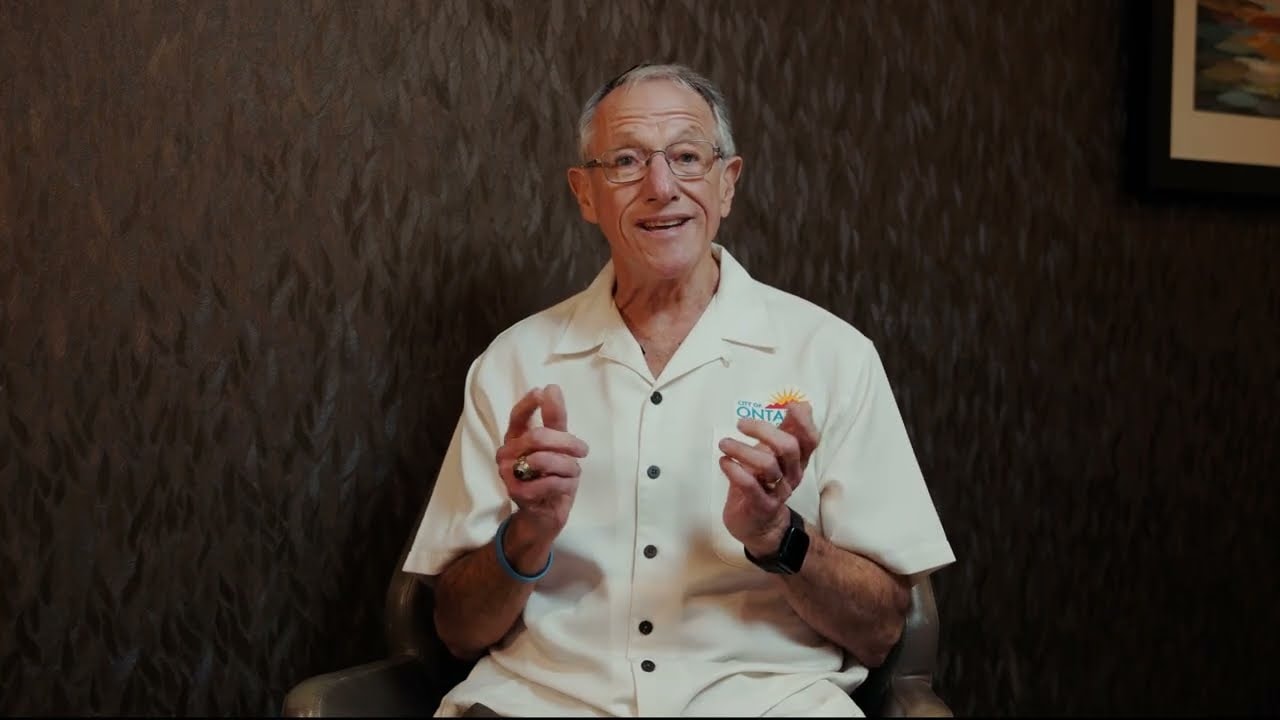
District 3 residents recently received a campaign letter from Councilmember Alan Wapner outlining priorities for South Ontario: infrastructure, traffic, public safety, homelessness, more dining and shopping choices—and a promise to “stop excessive warehouses.”
That last promise deserves some context.
A 30-Year Record Deserves More Than an Election-Year Promise
Alan Wapner has served on the Ontario City Council for more than 30 years. The City describes the Council as Ontario’s legislative and policy-making branch—the body responsible for establishing the policies that guide the city’s long-term direction.
During those decades, Ontario became one of Southern California’s most important logistics centers. That growth has brought jobs and revenue, but it has also left many District 3 residents asking serious questions about traffic, air quality, truck routes, neighborhood compatibility and the direction of South Ontario.
Those are reasonable questions. They deserve clear answers—not simply a slogan on a campaign mailer.
Wapner did not merely observe Ontario’s transformation into a logistics center. In 2018, while serving as President of the Ontario International Airport Authority, he publicly celebrated Ontario’s place in the freight economy, saying: “Ontario plays a leading role in the nation’s goods movement industry.”
He specifically identified Ontario’s highways, rail connections and proximity to the ports as economic advantages.
More recently, airport property has been developed for The HUB, a nine-building logistics complex totaling approximately 4.3 million square feet of warehouse space. The Airport Authority has said the project supports goods movement, jobs, tax revenue and airport revenue.
So when a 30-year incumbent now tells residents he wants to “stop excessive warehouses,” I think a reasonable question is: What changed?
People are allowed to change their views. Communities evolve. Ontario Ranch today contains homes, schools and neighborhoods that did not exist decades ago. The concerns residents raise today should be heard on their own merits.
But after three decades in elected office, residents deserve more than a new campaign promise. They deserve to know when the policy changed, why it changed, and what actions demonstrate that change.
My Record Includes Warehouse Votes Too
I want to be equally transparent about my own record.
As a Planning Commissioner, I have voted on warehouse projects. That is part of the responsibility of serving on the Commission.
But there is an important difference between a commissioner evaluating an individual application and an elected City Council member shaping the city’s long-term planning framework.
Planning Commissioners must evaluate projects according to the General Plan, Specific Plans, zoning, state law, environmental review and the evidence before us. We cannot simply disregard existing law because a particular use becomes politically unpopular.
That does not mean impacts should be overlooked. Every project should be evaluated on its merits—including traffic, air quality, truck routes, proximity to homes and schools, infrastructure and compatibility with the surrounding community.
That is why I have consistently said: I am neither pro-warehouse nor anti-warehouse. I am pro-responsible planning.
Responsible planning means asking hard questions. Is a proposed use compatible with the surrounding neighborhood? Are truck routes appropriate? Has the applicant addressed environmental and traffic impacts? Are safeguards in place for nearby families, schools and businesses? And does the project follow the plans and standards Ontario has already adopted?
When the required findings cannot be made, the answer should be no. When better protections are needed, they should be demanded. And when the policy itself needs to change, leaders should say so clearly and do the work to change it.
Listening Before Promising
Some campaigns rely heavily on polling and mail. I have chosen to spend this campaign walking neighborhoods, sitting with residents and hearing directly what they want from their city.
Call me old-fashioned, but I want to understand not simply what issue someone checks on a survey—but why it matters to them.
A survey might tell you residents are concerned about warehouses. A conversation tells you whether they are worried about diesel pollution, trucks passing their child’s school, nighttime noise, traffic outside their home, or whether the infrastructure around them can keep up with growth.
That context matters. It should inform both project-level decisions and the long-term policies that shape Ontario’s future.
District 3 deserves leadership that takes those conversations seriously before making promises. It deserves leaders who can explain their record, acknowledge difficult tradeoffs and be specific about what they will do next.
The Standard Residents Should Expect
The question is not simply what sounds good on a campaign mailer. The question is what the record shows—and what we are prepared to do next.
Residents should expect every candidate to answer plainly: What did you support? What did you oppose? What has changed? And what specific policy steps will you take to protect neighborhoods while planning responsibly for Ontario’s future?
I welcome that standard for myself. I will continue to listen, to be transparent about my record, and to evaluate each proposal with the care District 3 deserves.
Explore Topics
Written by
Lampkin for Ontario Campaign
Content creator and writer sharing insights and stories.