Two groups of five supporters chose their priorities, exchanged feedback, and worked through the funding, coordination, and tradeoffs involved in improving Ontario.
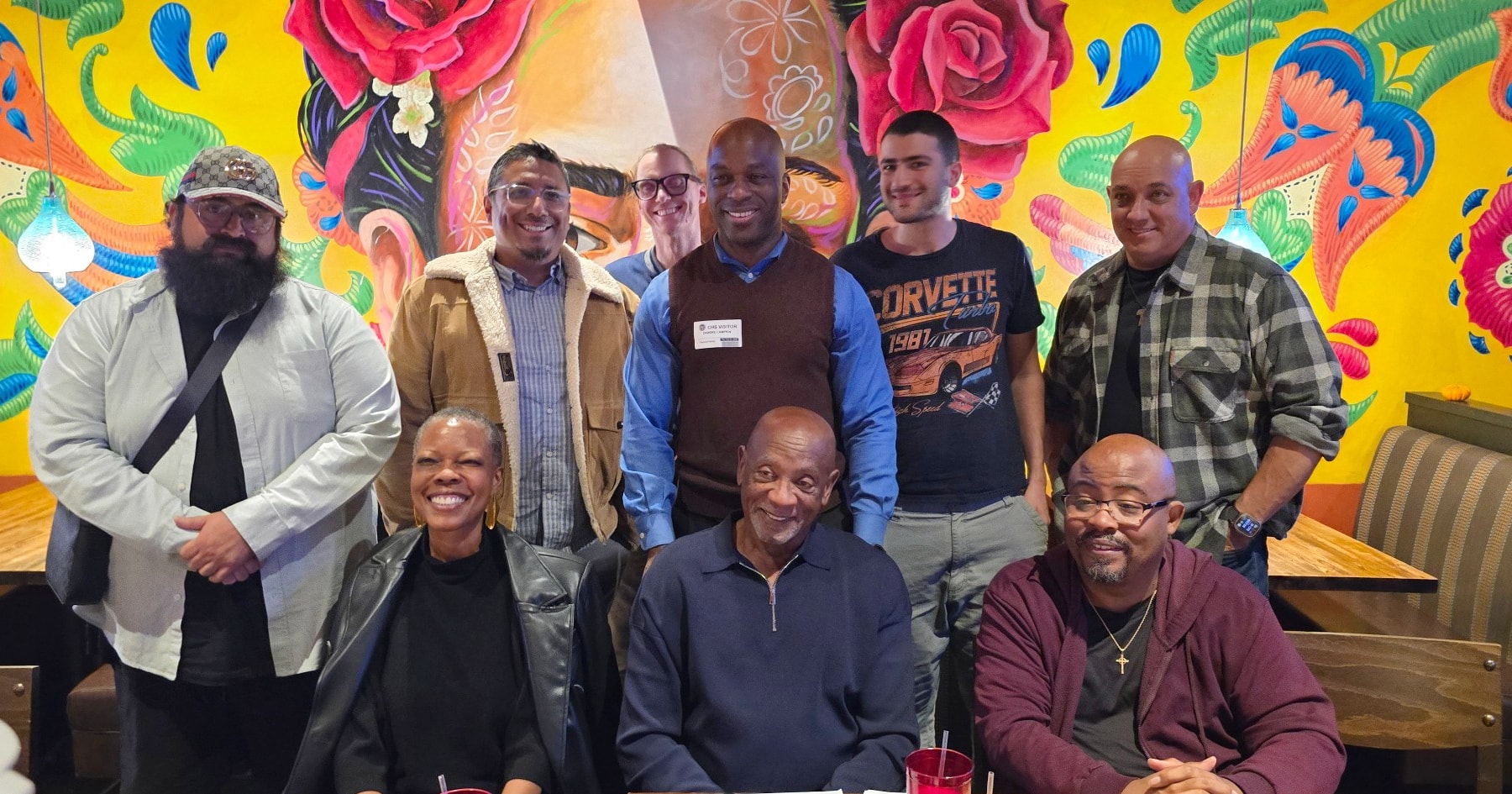
At our October 22 Community Conversation, supporters formed two groups of five and chose the issues they wanted to address. Each group developed a recommendation, considered a practical first step, and shared written feedback with the other group.
As the evening continued, the conversations became passionate, candid, and expressive. Participants worked through what it would take to resolve the issues they had chosen, including who would need to help and what concerns would have to be addressed.
That exchange is what I want these Community Conversations to make possible: neighbors having a meaningful role in shaping Ontario's future.
Supporting students and following the funding
One group focused on students experiencing homelessness and whether public spending is reaching the needs participants considered most urgent.
Their ideas included reviewing spending, auditing funding, and developing programs that address homelessness. They identified businesses as potential partners and raised questions about participation in programs.
Written feedback added another practical consideration: communicating the resources that are already available, including outreach connecting schools with homelessness services.
A central question on the worksheet was how to track funding and assess actual needs. That question connects the group's concern for students with its call for accountability. Participants wanted a clearer understanding of where resources go and how those resources relate to the problems people are experiencing.
These were concerns and recommendations raised by participants. The discussion provided a starting point for identifying what information would be needed to evaluate possible next steps.
Walkable places, road improvements, and neighborhood character
The second group explored more walkable spaces, outdoor seating, road improvements, and ways to support small businesses and local communities. Their worksheet also identified tourism as a possible benefit.
They discussed tactical urbanism, public transportation, communication, and building consensus. They called for infrastructure to be considered ahead of development and for developers to be held accountable for expectations established early in the process.
Participants identified City Planning and the City Council as part of that work, alongside better public understanding of the process and reducing unnecessary obstacles.
Their ideas also brought a tradeoff into focus: adding roads can involve giving up greenery and some of the small-town feel they value. That concern deserves a place in the conversation alongside the need for better transportation.
Feedback on the proposal emphasized appropriate allocation of city funds and connecting residential growth with commerce, walkable spaces, and transportation. The discussion linked the experience of moving through Ontario with the kinds of places people want to visit and spend time in.
Questions worth carrying forward
Across the worksheets, funding, communication, and accountability appeared repeatedly. The discussion raised several questions for further consideration:
- How can residents follow funding and understand whether it addresses actual needs?
- How can schools, businesses, service providers, and public agencies communicate available resources more effectively?
- How should infrastructure, transportation, and commercial activity connect with residential growth?
- How can road improvements account for greenery and neighborhood character?
These questions help identify the work involved in evaluating an idea. They also give residents a way to ask for specific information as that work moves forward.
Keeping residents part of the work
The exercise gave participants room to choose a concern, explain why it mattered, consider another group's perspective, and speak openly about the challenges involved.
I am grateful to everyone who contributed their time, ideas, questions, and honest opinions. The passion in these conversations reflects how much people care about the community we share.
For me, leadership includes making room for that participation, listening carefully, and taking the details seriously. Residents deserve opportunities to contribute to the decisions that affect their neighborhoods.
If you missed this gathering, visit our Events page and subscribe through the website's Get Updates form to hear about future conversations. You can also read the recap of our earlier Community Conversation.
D'Andre Lampkin
Candidate for Ontario City Council, District 3
Paid for by Lampkin for Ontario City Council 2026. FPPC ID #1494106
Explore Topics
Written by
D'Andre Lampkin
Content creator and writer sharing insights and stories.