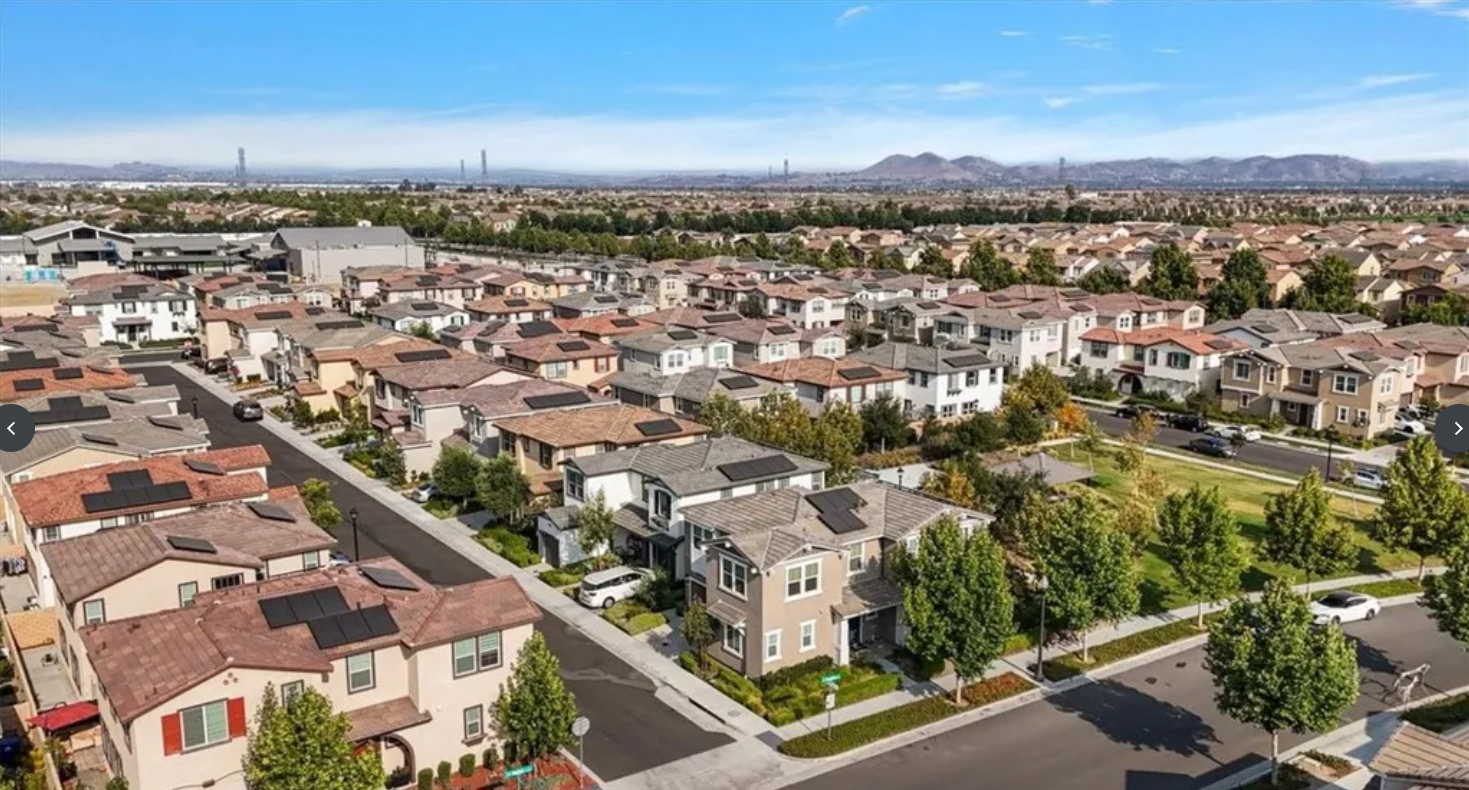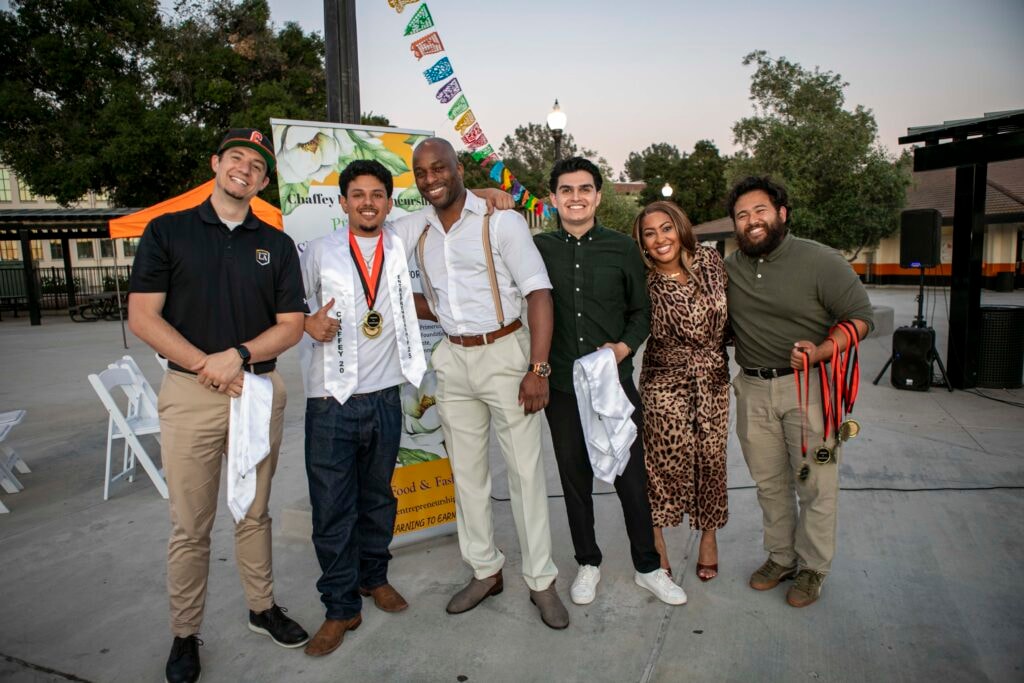
A walk through New Haven gave D’Andre Lampkin a resident’s perspective on traffic, crossings and street safety in Ontario Ranch.
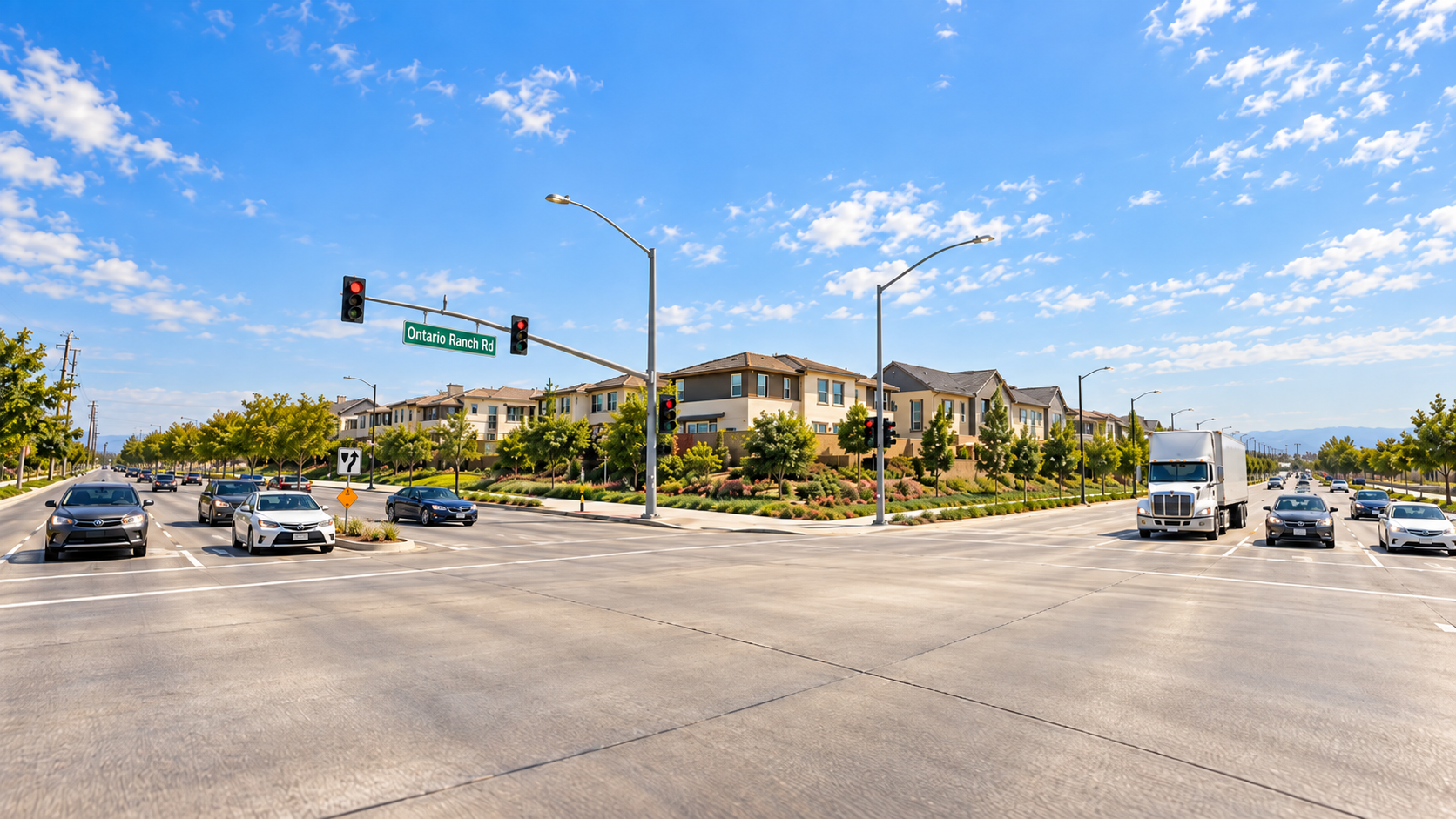
Last week, I was invited by a resident to walk the New Haven community and take a closer look at conditions along Ontario Ranch Road, Haven Avenue, and Schaefer Avenue.
I have driven these roads many times, including on my way to New Haven Marketplace. But driving through a neighborhood and walking it with someone who actually lives there are two very different experiences.
There was another perspective that made the conversation especially useful: the resident is a city planner employed by a neighboring city—not the City of Ontario. We do not work together through my role on the Ontario Planning Commission. He reached out independently after following my experience and community work during the campaign and told me he believed I would understand many of the planning and transportation concerns he was seeing in his neighborhood.
He also pointed to something he had observed about my record: when Ontario residents ask me to come see a problem for myself, I usually show up.
That has included visits to Amy’s Farm, Colony High School on the first day of school, the Jay Little baseball field fire, and the Francis Street neighborhood following the fireworks explosion that damaged homes.
For me, showing up and listening did not begin during election season. It has long been part of my community work.
Getting Out of the Car Changes Your Perspective
We walked the corridors, crossed intersections, and talked about truck traffic, roadway speeds, street signage, pedestrian safety, and how these streets actually feel to someone traveling through them on foot.
We paid attention to how many lanes pedestrians must cross, how long traffic signals provide to make that crossing, roadway widths, medians, turning movements, and the distance between signalized intersections.
The resident made an observation that stood out to me: very wide, open streets with long stretches between traffic controls can create an environment in which some drivers feel comfortable traveling much faster than they should.
Federal Highway Administration guidance similarly notes that wide travel lanes and unobstructed arterial streets can encourage higher speeds, while tools such as lane narrowing and curb extensions can help moderate vehicle speeds and improve pedestrian conditions.
Then We Got Into the “Boring” Planning Stuff
For me, this is where the conversation became especially interesting.
We discussed some of the technical considerations I encounter in my work as a Planning Commissioner: transportation studies, roadway capacity, Level of Service, Vehicle Miles Traveled, and how assumptions made during the early phases of development may need to be reassessed as neighborhoods approach buildout.
California’s transportation-analysis framework has changed substantially over time. Under SB 743, Vehicle Miles Traveled became the primary measure for evaluating transportation impacts under CEQA rather than relying principally on automobile delay measured through Level of Service. LOS can still be relevant for other operational and local planning purposes.
Ontario’s own Mobility Element recognizes that its transportation system must evolve alongside future land-use patterns and levels of buildout, while considering vehicles, trucks, pedestrians, bicycles, transit, and other modes of travel.
That is why conditions experienced by residents today are worth revisiting as Ontario Ranch continues to mature.
Ideas Worth Evaluating
The walk left me with several ideas I believe are worth having transportation engineers and city staff evaluate.
One is lane-width reduction where conditions support it. Narrower travel lanes can encourage lower vehicle speeds while potentially freeing space for other safety improvements. FHWA specifically identifies lane narrowing as a traffic-calming strategy.
Another is wider use of leading pedestrian intervals at appropriate intersections. These give pedestrians a WALK indication several seconds before vehicles receive a green light, allowing pedestrians to become more visible in the crosswalk before turning traffic begins moving. FHWA identifies increased pedestrian visibility and reduced vehicle-pedestrian conflicts among the benefits.
We also discussed curb extensions and protected intersection concepts. Where engineering conditions allow, curb extensions can shorten the distance pedestrians must cross, improve visibility between motorists and pedestrians, and encourage slower turning movements. Related intersection design could also be evaluated alongside protected bicycle facilities.
None of these ideas should simply be installed because they sound good. They should be evaluated against traffic volumes, truck movements, emergency access, collision history, roadway geometry, projected development, and the experiences of the residents using these streets every day.
Why Neighborhood Listening Matters
I found the walk insightful and useful, particularly because it combined the perspective of a resident with the technical knowledge of someone who works professionally in city planning elsewhere.
It also reinforced something I have learned repeatedly: a map can tell you where a road goes, and a traffic study can tell you how vehicles move through it. Neither completely replaces standing at an intersection and experiencing it yourself.
Sometimes you have to get out of the car.
You have to cross the lanes.
You have to wait for the signal.
And you have to listen to the person who does it every day.
Those conversations give me better questions to take back to city officials and better ideas to evaluate against Ontario’s existing planning, public-safety, mobility, and climate goals.
That is the value of neighborhood listening: not arriving with predetermined answers, but understanding the problem well enough to begin identifying responsible solutions.
Explore Topics
Written by
Lampkin for Ontario Campaign
Content creator and writer sharing insights and stories.