
Ontario is entering a new chapter in how emergency medical services are coordinated. Here is why I believe the CONFIRE model is the right direction — and why accountability must come with it.
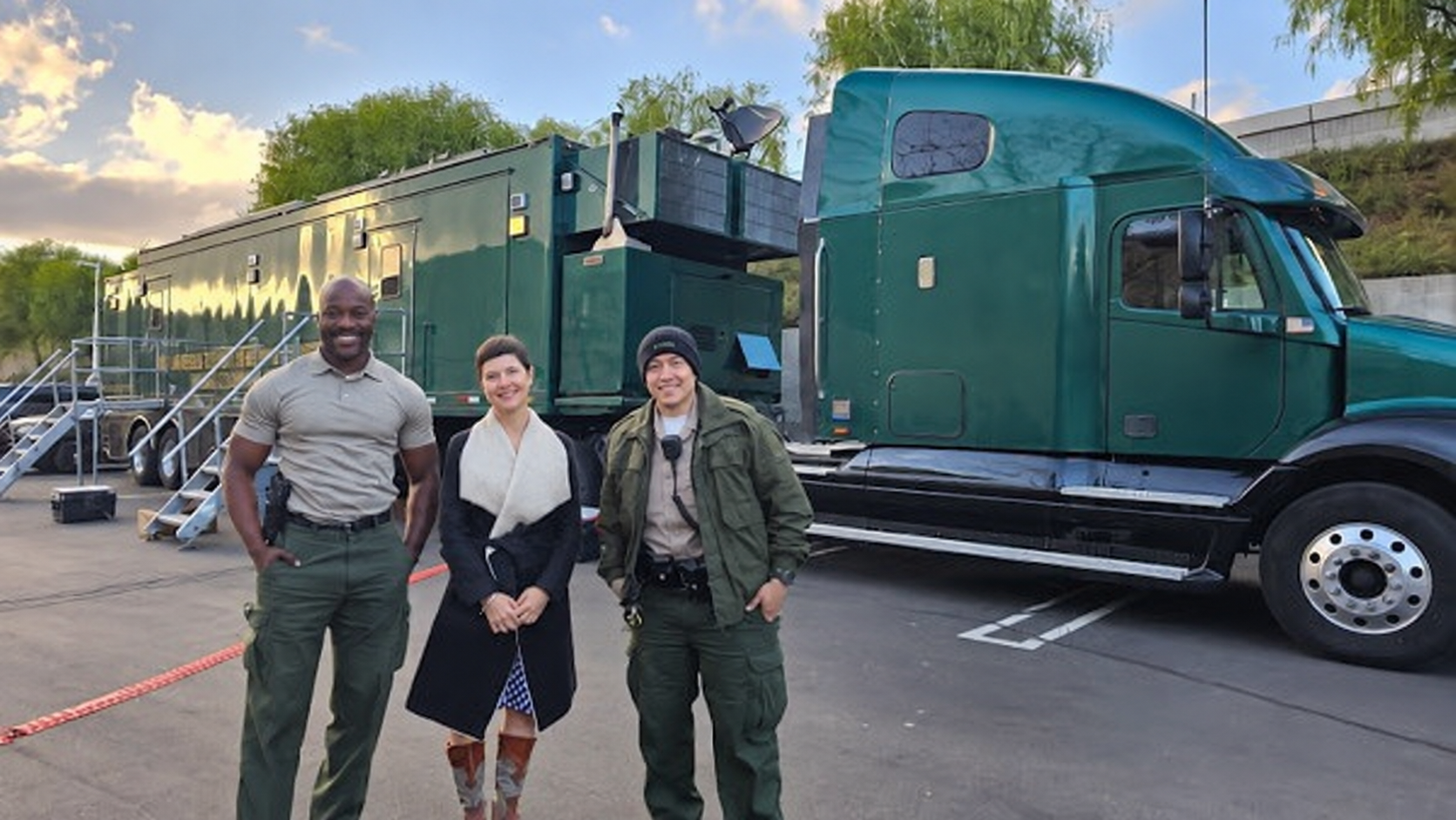
Ontario is entering a new chapter in how emergency medical services are coordinated, and I believe residents deserve to understand both what is changing and why it matters.
Beginning October 1, 2026, CONFIRE EMS is scheduled to provide coordinated ambulance services across participating communities in San Bernardino County, including Ontario. CONFIRE is a Joint Powers Authority created by public agencies to share emergency communications, dispatch, technology and resource-coordination capabilities. Local fire departments will continue responding to medical emergencies; CONFIRE's expanded role is designed to better coordinate ambulance transportation with fire agencies, hospitals, dispatch centers and other public-safety partners.
I support the model for a straightforward reason:
Effective emergency response depends on communication, coordination and getting the right resource to the right place at the right time.
That may sound simple. In practice, it is one of the most important—and difficult—parts of emergency management.
When someone calls 911, the public does not care which agency owns an ambulance, which radio system is being used, where one jurisdiction ends and another begins, or which organization is responsible for a particular resource. They care that someone answers, understands what is happening and gets the appropriate help moving quickly.
That is the principle behind regional coordination.
CONFIRE already operates regional fire, rescue and EMS communications around the clock. Its dispatchers coordinate emergency resources across jurisdictions, while its expanded EMS system is intended to integrate dispatch, ambulance deployment and other medical resources more closely. CONFIRE describes the objective as getting the right service to the right person at the right time.
Ontario Is Already Seeing the Model in Action
The change is not just something scheduled for October.
On August 25, Ontario began participating in CONFIRE's Emergency Communications Nurse System. Under the program, certain non-life-threatening medical calls can be routed to a registered nurse who evaluates the caller's needs and helps identify the appropriate course of care. Life-threatening emergencies continue to receive an emergency medical response, and a nurse can also initiate an EMS response if the circumstances warrant it.
That is an important distinction.
Using emergency resources intelligently does not mean providing less service. It means matching the response to the need while keeping ambulances, paramedics and other emergency resources available for the incidents that truly require them.
As Ontario continues to grow, that becomes increasingly important.
This Is What Interoperability Looks Like
My perspective on CONFIRE comes from years of working in public safety and emergency management.
I have spent more than two decades in law enforcement and have worked extensively with the principles of emergency management, incident command, major-event planning and interagency coordination. My professional development includes advanced Incident Command System training, and my work has involved planning and operating in environments where multiple agencies, disciplines and resources must function together under a common structure.
Those experiences have taught me something that applies directly to CONFIRE:
No agency handles a major emergency alone.
A complex incident can involve law enforcement, fire, EMS, hospitals, emergency management, public works, transportation agencies, utilities, nonprofit organizations and multiple levels of government.
Success depends on whether those organizations can communicate with one another, understand their respective roles, share information and deploy resources effectively.
In emergency management, we call that interoperability.
It is not simply about radios being able to communicate. It is about organizations being able to operate together.
And that is why the CONFIRE model interests me.
The concepts at the center of this system—regional coordination, communications, incident management, resource deployment and interoperability—are the same concepts I have worked with throughout my public-safety and emergency-management career.
Support Must Still Come With Accountability
Supporting a regional model does not mean giving any organization a blank check.
A system this important should be measured continuously.
Ontario should pay attention to response times, ambulance availability, patient outcomes, staffing, costs, service reliability and whether resources are actually reaching residents when they are needed.
CONFIRE itself says the new system will use real-time coordination, emergency medical dispatching and its nurse system to manage resources and preserve higher-level emergency assets for more serious incidents. Those are measurable objectives, and residents should expect transparency about whether they are being achieved.
That combination—innovation with accountability—is important to me.
Experience Matters When Systems Become More Complex
Ontario is growing, and with growth comes greater demand on roads, infrastructure, police, fire, emergency medical services and the systems connecting all of them.
The decisions facing our city are becoming more technically complex.
Understanding public safety today requires more than simply supporting police officers or firefighters. It requires understanding how dispatch works, how mutual aid works, how incidents are managed, how resources move between jurisdictions and how agencies prepare together before an emergency ever occurs.
My background includes direct experience in those environments. I have worked in law enforcement, emergency management, incident command, disaster preparedness and interagency planning. I also serve in municipal government as an Ontario Planning Commissioner, giving me experience with another side of the equation: how growth, infrastructure and public services intersect as a city develops.
That is the perspective I bring to conversations like CONFIRE.
Not simply whether a program sounds good on paper, but whether the system is prepared, coordinated, accountable and capable of delivering when somebody calls for help.
Because ultimately, emergency management comes down to something very simple:
Get the right people.
Get the right resources.
Get them where they are needed.
And make sure everyone can work together when they arrive.
That is why I support the CONFIRE model—and why I believe Ontario should continue building a public-safety system centered on preparedness, communication and regional coordination.
Leadership Built on Service. A Vision Built for Ontario.
Explore Topics
Written by
D''André Lampkin
Content creator and writer sharing insights and stories.